





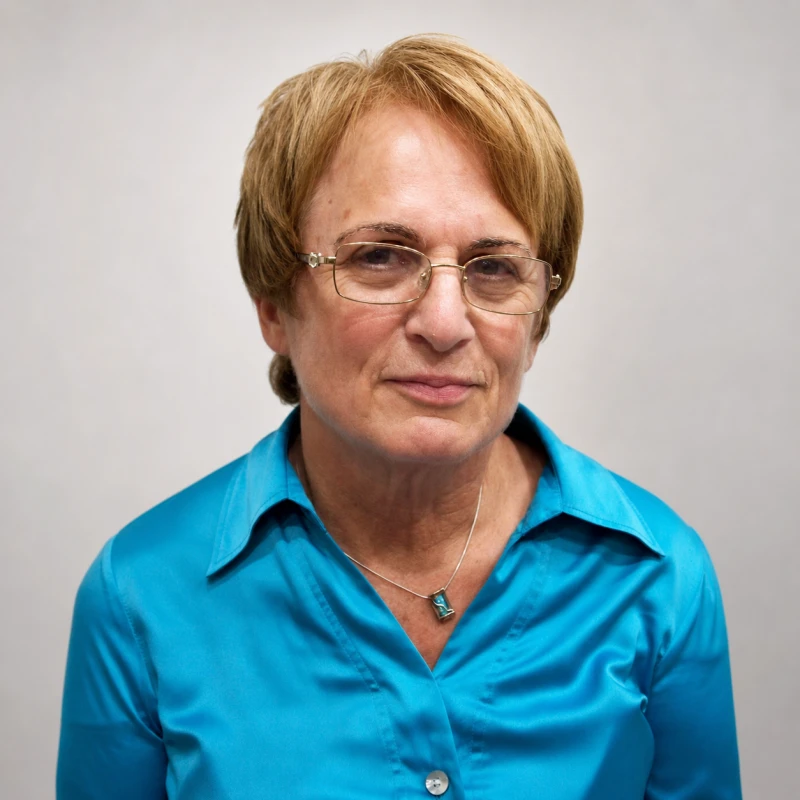
Dr. Karny Jabotinsky-Rubin, MD, MSc, BSc
Expert Psychiatrist
- 50 years of clinical experience
- Consultations in English, Hebrew, Russian
- Mood and Anxiety Disorders
- Psychotic Disorders
- Complex and Borderline Conditions

Israel has one of the most advanced medical systems in the world — and its psychiatry is no exception. Specialists here are trained both in Israel and abroad, and high clinical standards are upheld across the field. IsraClinic operates within this professional environment as a private specialist clinic, offering complex diagnostics, multidisciplinary treatment, and an individualised approach to patients from Israel and internationally.
Navigate toThe psychotherapists at IsraClinic are trained in a range of evidence-based modalities — Cognitive Behavioural Therapy (CBT), DBT, Schema Therapy, EMDR, psychodrama, art therapy, VR therapy, and others. Psychotherapy here is not conducted in isolation: it is closely integrated with psychiatric diagnostics and treatment, ensuring that each patient receives care that addresses both the psychological and biological dimensions of their condition. In many cases, the right combination of therapeutic approaches leads to faster and more effective outcomes.
Navigate toIsraClinic is designed for complex cases. A multidisciplinary team — senior psychiatrists, a neurologist, psychotherapists, and diagnostic specialists — works within a unified clinical framework, including the proprietary Psychoergonomic Method developed at the clinic. Each treatment plan is built individually, based on comprehensive diagnostics, and adjusted as the patient's condition evolves. Confidentiality is a foundational principle of our work — upheld at every stage, from the first consultation to long-term treatment. We see patients in person in Tel Aviv and online with patients worldwide, in English, Hebrew and Russian. Scientific Foundation. The Psychoergonomic Method is officially published in the international scientific repository Zenodo (CERN) and indexed by OpenAIRE. DOI: 10.5281/zenodo.18588122. Author: Valery Kravitz, IsraClinic.
Navigate to
Expert Psychiatrist
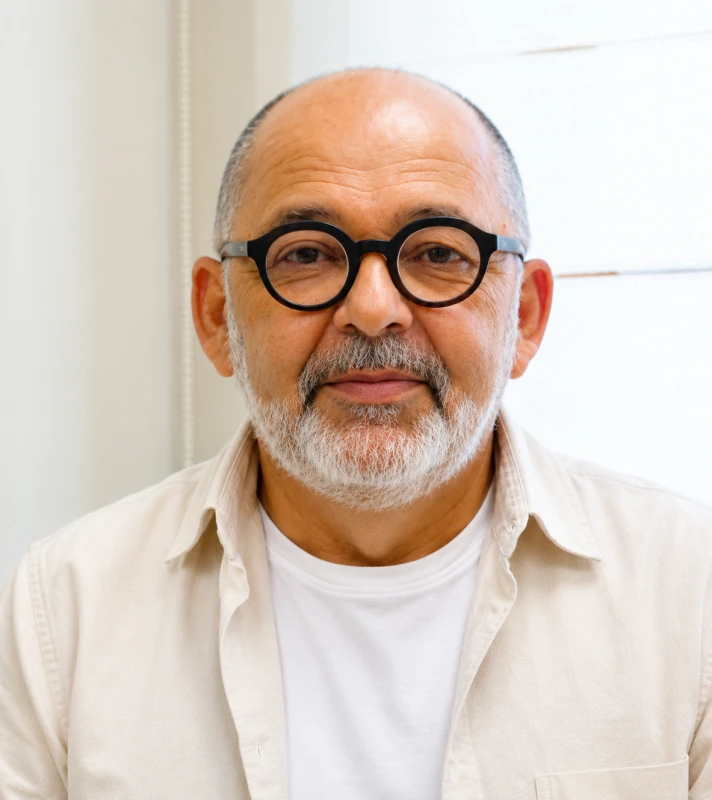
Senior Psychiatrist
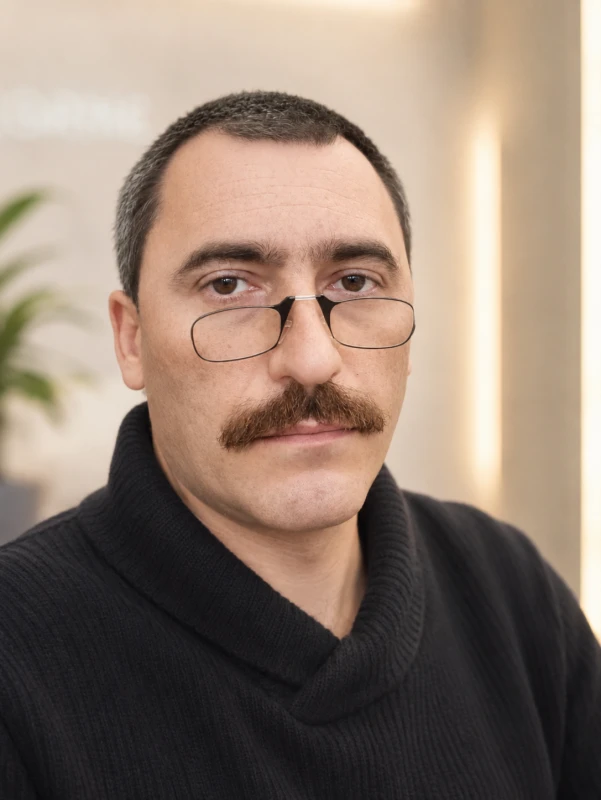
Senior Neurologist

Parent Guidance Specialist
As a mother of two young children, I came to IsraClinic in a very difficult condition, suffering from severe anxiety and panic attacks. I had to look for private help because through my health fund the waiting time for a psychiatrist was extremely long, and I was told I would need to wait several months. At IsraClinic, a consultation with a doctor was arranged within just a few days.
From the very first appointment, I felt that my situation was taken seriously. During a careful and thorough clinical interview, the doctor understood what I was going through and prescribed treatment. After that, the clinical coordinator stayed in close contact with me to make sure that the treatment was working and that I was responding well. Within about one and a half to two weeks, I already began to feel better: my sleep improved, my anxiety became much lower, and my overall condition changed significantly for the better.
I would like to express special gratitude to Dr. Karny, whose professionalism and human warmth truly impressed me. She is an exceptional doctor attentive, deeply empathetic, and genuinely caring. I felt that she treated me with great understanding and helped me not only as a specialist, but also as a person. I am very thankful to the clinic and would confidently recommend IsraClinic to others.
For more than 15 years, I struggled with a very difficult emotional condition after the loss of my only daughter during her military service. Over the years, I tried many different medications, including antidepressants and anti-anxiety drugs, but nothing brought real relief. At some point I began using alcohol because it seemed to help a little, but I understood that this was not a solution and that I was starting to rely on it too much. Later, I also tried stronger tranquilizers, but my condition still did not truly improve.
I found IsraClinic by chance after reading positive reviews, and from the very beginning I felt a deeply human and understanding attitude. What I especially appreciated was that the clinic did not agree to make the process superficial. Instead of offering just one consultation, they insisted on a more comprehensive approach. I underwent a full evaluation with a psychiatrist, a clinical psychologist, and a neurologist. After the assessment, the team explained my diagnosis and current clinical condition to me in detail and proposed a structured treatment plan that included both medication management and psychotherapy.
I started the program, and already after two to three weeks I felt the first real changes. The full course lasted five months in an outpatient format, partly in person and partly online, because due to anxiety I was not always able to come to the clinic. By the end of the process, I experienced a significant improvement in every aspect of my condition. I am truly grateful that after so many years of suffering, I finally received serious, high-quality treatment.
I would also like to express special thanks to Valery for always staying in contact and coordinating everything. Whether it was a treatment-related question, a digital prescription, or rescheduling a consultation, everything was handled quickly, efficiently, and with great care. My quality of life has improved greatly, and I am sincerely thankful to the entire clinic team for their professionalism, support, and humanity.
I have worked as a nurse for many years, and after our home was partially destroyed during the war, I began to experience severe emotional distress. Over time, I developed nightmares, flashbacks, and constant inner tension. I tried to find help through my health fund, but I could not find Russian-speaking specialists, and my condition gradually became so difficult that I was no longer able to go to work.
At IsraClinic, I was examined by Dr. Mark, who carefully assessed my condition and diagnosed the problem professionally and clearly. A treatment plan was started, and then I began psychotherapy with Ilana. Already within the first month, I felt a significant improvement. After about six weeks of treatment, I was able to return to work, and since then my condition has continued to improve.
I am deeply grateful not only to the doctors, but to the entire clinic team — the clinical coordinators, the administration, and everyone involved in my care. Everything was organized quickly, professionally, and with real empathy and human warmth. I am very thankful that in such a short time I was able to regain stability and start feeling like myself again.
After moving to Israel from the United States, I found myself in an unexpected and very stressful situation. My Hebrew was not yet strong enough, and there was a misunderstanding about my health condition — specifically about a valerian-based supplement I had occasionally been taking to help with sleep. Because of the language barrier, this was interpreted incorrectly, and it affected my military profile and my ability to continue the service path I had planned.
At IsraClinic, I was finally able to explain everything clearly in my own language. Dr. Mark Zevin listened to me very carefully, assessed my condition professionally, and understood that this was not a psychiatric problem — simply a misunderstanding caused by the language barrier. He prepared a comprehensive professional medical opinion, and thanks to his work, the situation was reviewed and correctly resolved.
I am deeply grateful for the attention, professionalism, and genuinely human attitude I received. Thanks to IsraClinic, everything was clarified, and I was able to return to the path that mattered to me. Thank you very much to Dr. Mark and to the entire clinic team for your support and care.

A major study published in JAMA on October 15, 2026, analysed 271 million clinical queries submitted to an artificial intelligence platform by more than 950,000 healthcare professionals. Psychiatrists showed particularly strong interest in medication-related information. Dr. Karny Jabotinsky-Rubin examines what these findings reveal about the growing role of AI in psychiatry, its potential clinical benefits, and the essential safeguards needed to protect patients.

New Israeli research reveals that approximately one in five adults experiences serious difficulties with everyday functioning related to mental health. Dr. Karny Jabotinsky-Rubin, psychiatrist at IsraClinic, examines why improvements in depression, anxiety, and PTSD symptoms do not always lead to full recovery and why restoring daily functioning should be an essential part of psychiatric treatment.
In 2025–2026, two major trends became more visible in international psychiatry. The first is a stronger professional push toward earlier and more appropriate use of clozapine in treatment-resistant schizophrenia. The second is the emergence of new non-dopaminergic treatments, especially xanomeline/trospium (Cobenfy), which reflects a broader search for alternative mechanisms in antipsychotic therapy.
Author: Dr. Zevin Mark, MD